Choosing the Right Sofa for Small Spaces: A Practical Guide
A compact living room demands a careful balance of form, function, and proportional restraint. This guide blends field-tested strategies with design wisdom to help you select a sofa that fits through doors, into corners, and above all, into daily life with ease. We explore measurements, depth, configurations, fabrics, and maintenance—anchored by time-honored design insights and the voices of three influential figures from different eras who shaped how we think about small-space living.
The Geometry of Small Spaces: Measuring Once, Living Well Always
In the theater of a compact room, every centimeter matters. The first step is precise measurement, not guesswork. Begin by surveying doorways, hallways, and the intended placement areas for the sofa. A sofa that cannot pass through a doorway is not only an inconvenience; it disrupts the entire flow of a home’s daily rituals. The idea is to minimize footprint while maximizing occupancy—the number of seats you can offer without crowding the room.
A practical rule of thumb: measure the longest dimension of the space the sofa will occupy, then subtract 6 to 8 inches of clearance for comfortable movement past the furniture and along walkways. For small living rooms, aim for a depth range around 30 to 36 inches for standard two-seater configurations, and consider modular designs that can be rearranged for different occasions. A shallow profile invites light and air; a deeper one invites lounging and sociability—your values will determine which side of the line you stand on.
Consider door-to-room navigation as a choreography. If you must pivot a sofa through a narrow entry, you may prefer a modular or sectional arrangement that ships in pieces and reassembles in place. Think in terms of “through the doorway first, then into the corner” to ensure the sofa can actually inhabit the designated space without compromising adjacent furniture or traffic flow.
Depth and Seating: Finding the Right Silhouette
Sofa depth is the star attribute for small spaces. A standard full-size sofa often ranges from 36 to 42 inches in depth, but compact equivalents exist—usually 30 to 34 inches. A shallower depth frees up precious floor space, makes room for side tables, and preserves the sense of openness. It can also alter the way cushions feel. In small rooms, a sofa with a shallower seat depth but strong back support can deliver comfort without dominating the visual field.
Modular or sectional designs offer another route to efficiency. A chaise-compatible sectional, for example, can provide a long seat while occupying a linear footprint, allowing you to tailor seating to the room’s geometry. When space is tight, consider a loveseat or a compact sofa paired with a couple of matching occasional chairs. This approach maintains flexibility for guests while keeping sightlines clear and the room feeling breathable.
Materials and Fabric: Durability in High-Traffic Environments
In high-usage rooms, upholstery is a negotiation between comfort, ease of cleaning, and longevity. Fabrics such as performance blends, microfibers, and tightly woven weaves resist pilling and staining better than lighter fabrics. If you anticipate spill-prone use (children, pets, frequent entertaining), select materials with stain-resistant finishes or consider slipcovers that can be removed and cleaned. Leather, whether genuine or high-quality faux variants, can be surprisingly forgiving in temperate climates and with family use, yet it can show scratches or wear in high-traffic zones.
For small spaces, a sofa with visible legs creates a lighter feel and helps the room to appear less dense. Exposed legs also facilitate sweeping and cleaning, contributing to overall maintenance ease. Choose a fabric color and texture that harmonizes with the room’s palette; lighter tones can brighten a small space, while mid-tones create a sense of calm and durability.
Configuring for Flexibility: Styles That Adapt to Life
Small living rooms benefit from adaptive layouts and flexible silhouettes. Consider a sofa with modular elements—sections that can be rearranged into a straight line for daily living, then clustered into a conversational circle for gatherings. A sofa with a chaise or a built-in sleeper can expand functionality without imposing a permanent, bulky footprint. The aim is to cultivate a room that morphs with your routines, not one that constrains them.
In addition, accessorize with compact coffee tables, nesting tables, or ottomans that can serve multiple roles: extra seating, footrest, or a planetary surface for lamps and books. These elements can transform a small living room into a stage for daily rituals—coffee in the morning, conversation in the evening, a quiet moment of reading before bed.
Three Key Figures from Distinct Time Periods: Echoes of Design Wisdom
Throughout history, designers and thinkers have offered lenses through which we view space, comfort, and usability. Three figures—each from a different era—illuminate how we approach small-space living with a blend of craft, philosophy, and pragmatism.
1) Charles and Ray Eames (Mid-20th Century): The Economy of Form
The Eames era arrived with a chorus of elegance and efficiency. Their philosophy of “form follows function” resonates with small-space strategies: furniture should be comfortable, durable, and adaptable to varied settings. In choosing a sofa for a compact room, the Eames ethic invites us to select silhouettes with clean lines that maximize seating without visual bulk. Their influence lingers in modular arrangements, light frames, and fabrics that age gracefully under daily use.
2) Florence Knoll (Mid-Century Modern Architect and Designer): Clarity and Proportion
Florence Knoll’s emphasis on proportion and constructive clarity guides a thoughtful approach to spatial economies. In a small living area, proportion governs how much space a sofa occupies in relation to the rest of the room. Knoll’s clarity of form urges homeowners to seek pieces with balanced dimensions, legible silhouettes, and harmonious relationships to adjacent furniture—an invitation to curate with intention rather than accumulation.
3) Gabriella Crespi (Late 20th Century): Multifunction and Surprise
Crespi’s sensibility for multifunction—from compact seating to convertible, adaptable arrangements—speaks to the modern imperative for flexible living. Her approach to space anticipates today’s demand for furniture that can serve several purposes, which is especially important in compact environments. The lesson is not merely to shrink a sofa, but to design a seating system that expands the room’s options for use and mood.
A Practical Product to Anchor Your Space
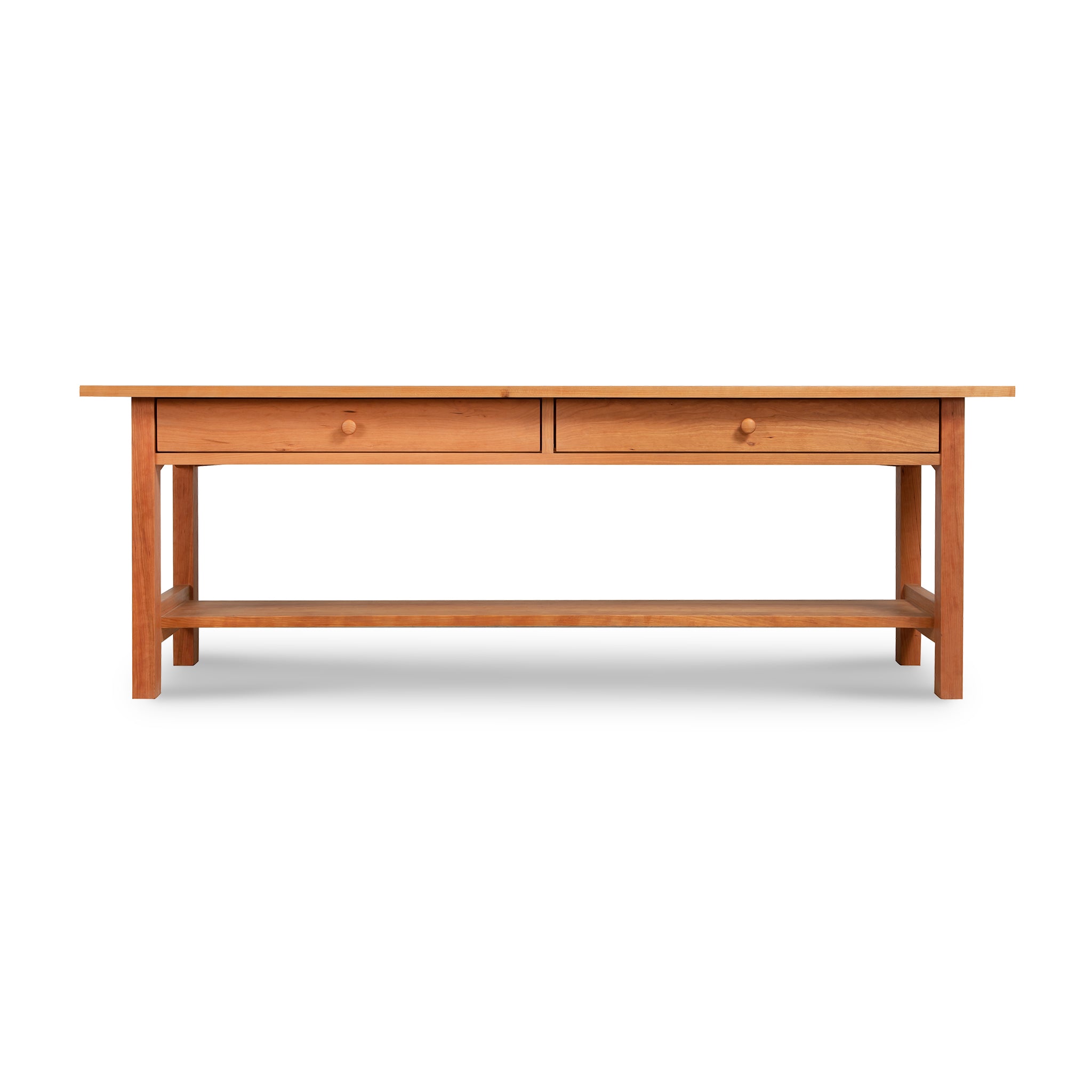
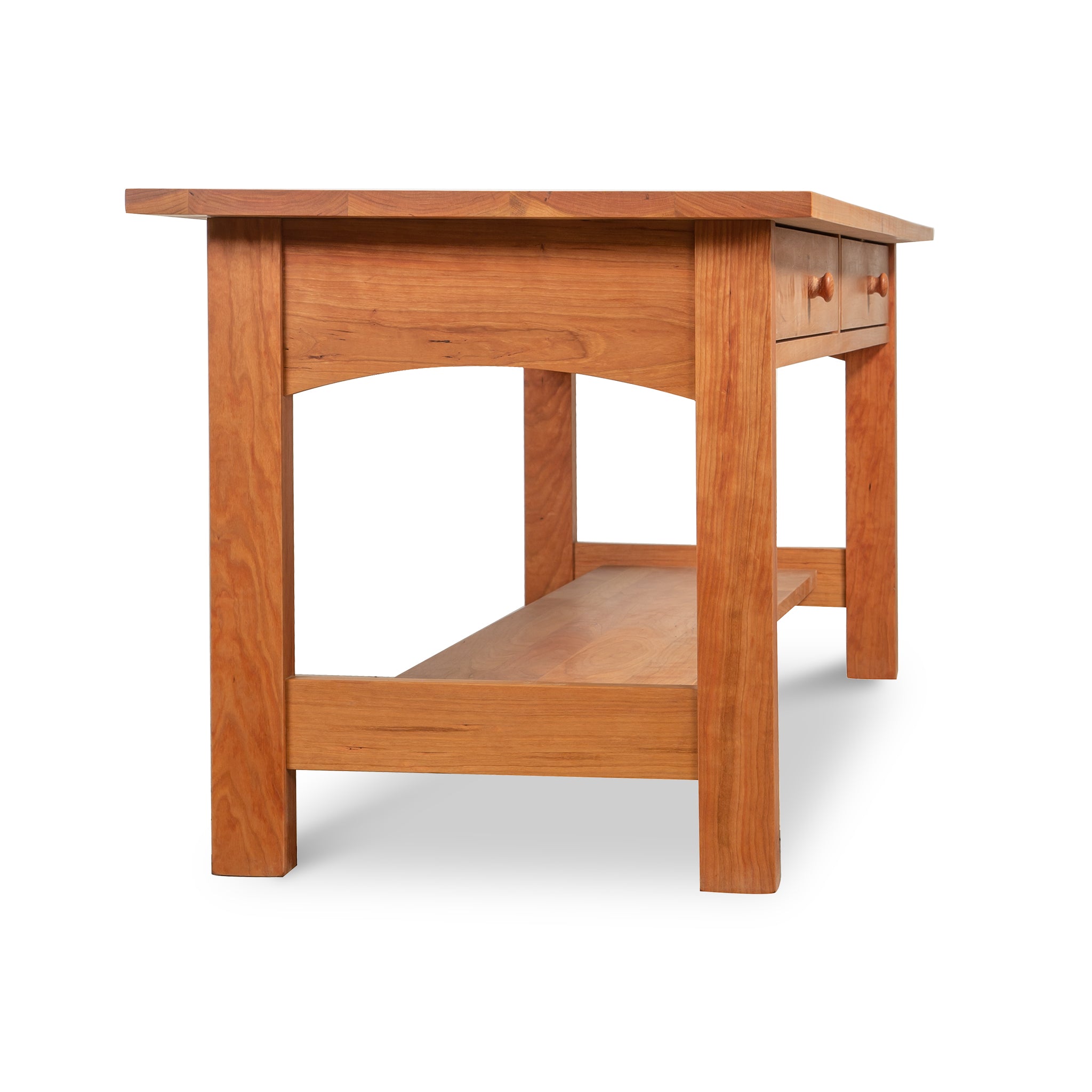
Among the many crafted pieces that embody Vermont’s woodworking tradition, the Burlington Shaker 2-Drawer Coffee Table stands as a compact, functional anchor for a small living room. Its two wide drawers and narrow depth offer essential storage without overwhelming the room’s footprint. The natural cherry, maple, or walnut options reveal the grain of the wood, finished with an eco-friendly oil that protects the surface while aging gracefully. This table embodies the balance between utility and restraint—a tactile reminder that enduring design often favors simplicity over excess.
Construction: Handcrafted to order; two wide drawers; narrow depth
Finish: Eco-friendly oil finish
Origin: Made in Vermont, USA
Lead Time: 6-20 weeks depending on customization
Images (displayed upon request):
Editorial Guidelines: How to Implement The Guide
To translate the principles outlined here into a living room that breathes, consider a phased approach. Start with measurements and a simple configuration; select a sofa that fits the room’s footprint while offering a comfortable seat and back support. Layer with an ottoman or a small, nesting coffee table to preserve movement space. Finally, opt for fabrics that balance beauty with durability and maintenance ease. The goal is a room that invites use, not a room that demands restraint solely for the sake of aesthetics.
Content-wise, Direction A—an Educational and Guidance Hub—furnishes evergreen resources: step-by-step buying guides, measurements, space planning diagrams, and material comparisons. The tone remains approachable, trustworthy, and curious, guided by a philosophy of making interiors accessible and enduring. If you gravitate toward a more visual-first experience, a Design Inspiration focus (Direction B) may be a natural extension, while Direction C could foster a community-driven repository of user experiences and expert Q&A.
Closing Thoughts: A Practical Vision for Small Spaces
A well-chosen sofa does more than provide seating; it anchors a room’s rhythm, frames conversation, and helps a home offer hospitality without sacrificing daily ease. In small spaces, restraint becomes a virtue: a carefully chosen silhouette, disciplined proportion, and durable materials that age gracefully. The sofa should not overwhelm the room; it should be the quiet center around which life unfolds.
As this guide suggests, the path to the right sofa for small spaces begins with measurement, then moves through thoughtful depth, adaptable configuration, and resilient fabric choices. It is a journey that blends craft, design philosophy, and everyday practicality—an approach that honors both the art and the science of living well in compact rooms.
Handcrafted to order in Vermont from solid wood, this low, drawer-forward console adds sleek storage in tight spaces. Two wide drawers keep essentials hidden, while a warm eco-friendly oil finish highlights natural grain for a timeless, durable centerpiece.
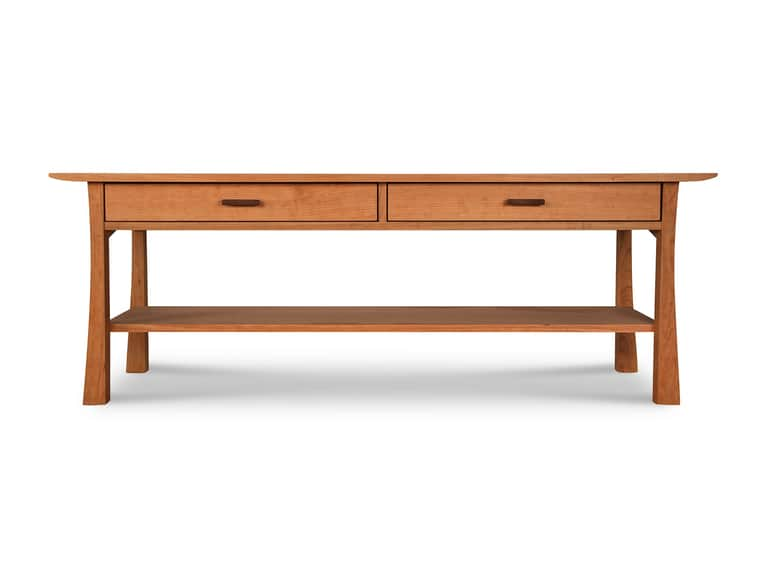
Handcrafted to order in Vermont, this console coffee table blends premium hardwoods and an eco-friendly oil finish to reveal natural grain, with two drawers and walnut pulls for discreet storage and timeless contrast—perfect for warm, versatile spaces.
Organize with ease in a durable Vermont solid-wood chest. Choose cherry, maple, or walnut for timeless beauty. Clean lines, right angles, and expert craft deliver lasting storage that fits your space and lifestyle.